
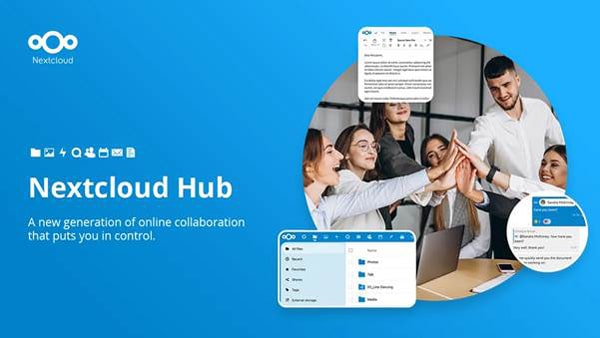
Nextcloud cloud storage is a modern, secure platform for file storage and collaboration. Its open architecture helps teams organize remote work, run projects, and share documents safely—especially when you combine clear folder structure with strict access rules.
The key idea is simple: access should be granted through roles and groups, not manually “per file” for every employee. This approach scales better, reduces mistakes, and supports stronger security practices.
If you plan to self-host Nextcloud for full data control, a dedicated environment like Linux VPS on Cube-Host VPS hosting is a common and flexible foundation.
Role-based access control (RBAC) means users receive permissions based on their role (for example: Finance, HR, Sales, Contractors) instead of ad‑hoc rules. When responsibilities change, you update group membership—permissions follow automatically.
Best practice: design your roles and folder structure first. Only then implement access rules. Most security problems start with “we’ll fix permissions later.”
In practice, you will typically combine:
Start by mapping folders and user groups. A simple structure helps avoid conflicts and makes audits easier.
| Folder | Contents |
|---|---|
| Folder1 | File1, Photo1 |
| Folder2 | File2, Photo2 |
| Group | Members |
|---|---|
| Group1 | User1, User2 |
| Group2 | User3, User4 |
Once you have a stable structure, apply access control consistently. Most organizations keep “core” folders managed by admins and allow project folders to be managed by team leads (depending on policy).
Nextcloud can restrict access to specific files/folders for users or groups. One practical approach is to use a rules-based mechanism (often via an access control app) and combine it with tags and group membership.
Tip: interface names can vary slightly between versions, but the concept remains the same: install the access-control module, then define rules based on user/group/file conditions.
Tags are a powerful way to group content logically without rebuilding your entire folder tree. A practical naming approach:
Keep tags consistent and avoid creating hundreds of near-duplicate tags—this makes rule management and audits harder.
For day-to-day collaboration, use folder sharing to groups. In most cases, you’ll configure:
Admins can typically apply filters when defining restrictions, for example:
Example scenario: restrict access for members of Group1 to all files tagged Tag2 (e.g., CONFIDENTIAL).
Access control is only one part of security. For production use, apply a baseline hardening checklist:
Self-hosted Nextcloud benefits from dedicated resources, especially storage performance and stable memory. A common choice is hosting Nextcloud on a Linux VPS using Cube-Host VPS hosting, with SSD/NVMe storage and a clear backup plan.
Conclusion: Nextcloud lets you restrict access for user groups and build a clear file structure where only authorized roles can see or modify sensitive information. A role-based model saves time, reduces errors, and supports secure collaboration at scale.